1. Safety and scope
The team explains what it can handle and which parts, like testing a site where drugs were made, need a different plan.
Cimarron Hills, CO · El Paso County
Business owners in Cimarron Hills who find syringes in a restroom or storeroom can call (877) 812-4220. A cleanup team can remove sharps and residue and clean the room before it reopens.
If anyone is in danger, call 911 first. For a suicide crisis, call or text 988.
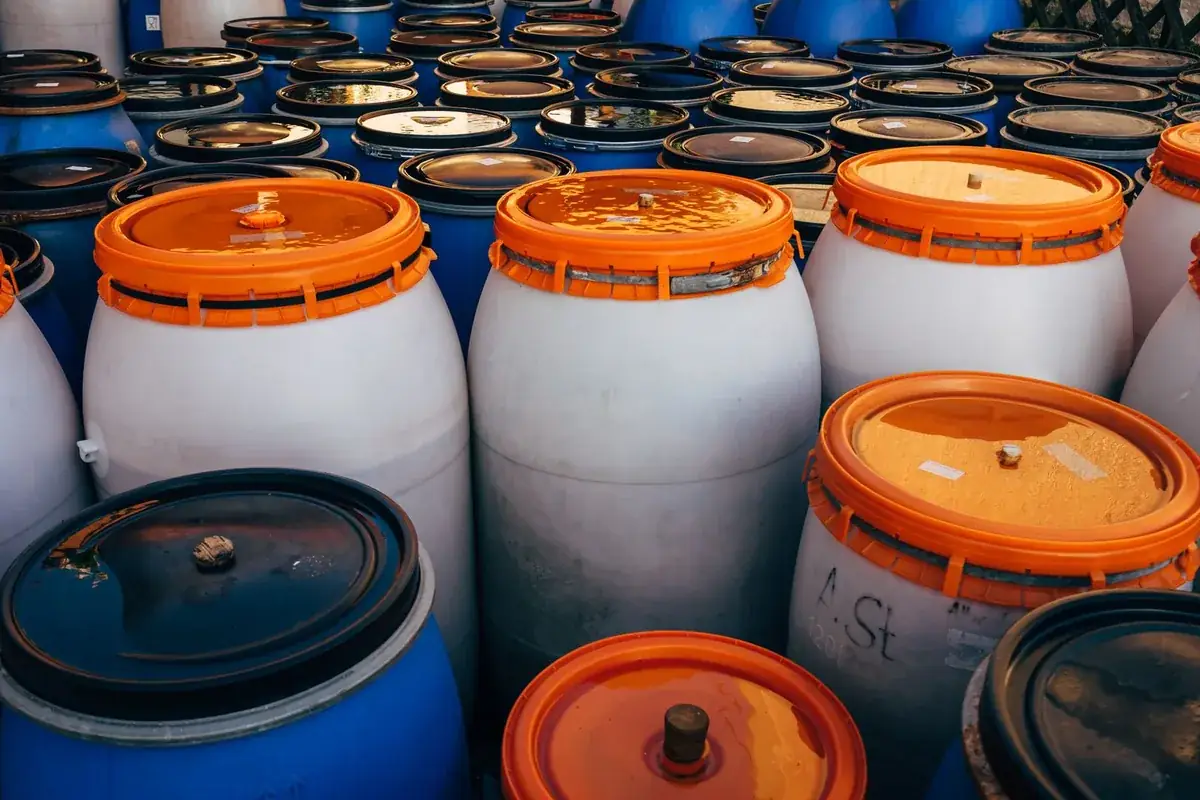
Syringe and drug item cleanup includes finding hidden sharps, lifting them with tools, sealing them in rigid containers and disposing of them as medical waste.
You do not have to remove paraphernalia and residue on your own in Cimarron Hills or anywhere in El Paso County. Call Cimarron Hills Biohazard Cleanup Help for biohazard cleanup crews. Protective gear, sealed containers and EPA-registered disinfectants are part of every job.
The vacancy rate in El Paso County is only about 4%, so most paraphernalia calls come from occupied homes, rentals and businesses. Tell the doctor where the exposure happened. Uch-memorial Health System, about 4 miles from Cimarron Hills, can evaluate people who may have been exposed.
The work often covers:
The team explains what it can handle and which parts, like testing a site where drugs were made, need a different plan.
Needles and other sharps are lifted and sealed before anything else is moved.
Floors, furniture and fixtures are cleaned. Porous materials that hold residue are cut out or removed.
The crew cleans, checks, and walks the owner through what was done and what still needs attention.
The cost of drug paraphernalia cleanup in Cimarron Hills, CO depends on the amount of material, how it is packed and how it is hauled.
Timing can affect the plan. A same-day need before a new tenant arrives may be scheduled differently from a job booked ahead.
| Type of job | Typical range |
|---|
These ranges come from published cost guides () and are not a quote for Cimarron Hills. Price drivers include amount of material, whether residue is present, surfaces affected, waste disposal. For a real number, call (877) 812-4220.
The owner of the property usually pays at first. Lease terms and local law decide who is responsible in the end. A landlord, an attorney or a tenant rights group can say. Keep any record the cleanup team gives you, since a landlord or insurer may ask for it.
Standard paraphernalia cleanup is about removal, cleaning and disinfection. Testing is a separate step, usually tied to a site where drugs were made. Ask the team and the local health department what testing, if any, applies to your property.
No. Drug paraphernalia cleanup removes used items and cleans surfaces. A site where drugs were made is a different job with its own testing and clearance steps. If you think drugs were made in the home, say so when you call.
Crews wear protective gear, remove sharps and loose items, and then clean hard surfaces with EPA-registered disinfectants. Porous materials such as carpet, padding or upholstery that took in residue may be removed. The team can explain what applies to your space.
Often, yes. Many teams can arrive in an unmarked vehicle and work quietly. If privacy matters, ask about it when you call. The crew shares only what it needs to plan the work.
It can be. Used syringes and other sharps can carry bloodborne germs, and residue can harm people who touch or swallow it. A cleanup team can look at what is there and explain how it should be handled. Do not touch it until then.
Stay out of the space and let a cleanup team handle it.
Call (877) 812-4220